Marine Insurance: Safeguarding Your Ships and Cargo
Introduction
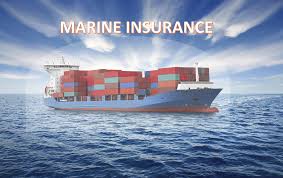
Every year, billions of dollars worth of goods are transported across oceans, rivers, and lakes. But what happens when a storm sinks a ship, pirates hijack cargo, or a container falls overboard? Marine insurance provides critical financial protection against these risks, ensuring that businesses can recover from losses at sea.
Despite its importance, many importers, exporters, and shipowners don’t fully understand marine insurance—leaving them vulnerable to massive financial losses.
This comprehensive guide covers everything you need to know about marine insurance, including:
✔ What marine insurance covers
✔ The different types of marine policies
✔ How premiums are calculated
✔ Key exclusions to watch for
✔ How to file a claim
By the end, you’ll know how to safeguard your cargo, vessels, and financial interests in global trade.
What Is Marine Insurance?
Marine insurance is a specialized policy that covers losses related to sea transport, cargo shipments, and vessels. It protects against:
✅ Physical damage (storms, collisions, sinking)
✅ Theft & piracy (cargo hijacking)
✅ Legal liabilities (collision damage to other ships)
✅ Financial losses (delays, salvage costs)
Key Components of Marine Insurance:
- Sum Insured – The maximum payout for a claim (based on cargo or vessel value).
- Premium – The cost of the policy (typically 0.1%–2% of cargo value).
- Deductible (Excess) – The amount you pay before coverage applies.
- Coverage Terms – Defines what risks are included (e.g., “All Risks,” “Free of Particular Average”).
Types of Marine Insurance Coverage
1. Cargo Insurance
- Protects goods in transit (ship, truck, rail, or air).
- Covers physical loss or damage (fire, sinking, theft).
- Best for: Importers, exporters, freight forwarders.
2. Hull & Machinery (H&M) Insurance
- Covers physical damage to ships (collisions, engine failure, storms).
- Includes salvage costs and wreck removal.
- Best for: Shipowners, vessel operators.
3. Protection & Indemnity (P&I) Insurance
- Covers third-party liabilities (injuries, pollution, cargo damage claims).
- Example: A tanker spill causes environmental damage.
- Best for: Shipowners, charterers.
4. Freight Insurance
- Protects revenue loss if cargo is delayed or lost.
- Best for: Shipping companies dependent on freight income.
5. War Risk Insurance
- Covers piracy, terrorism, and war-related damages.
- Best for: Ships operating in high-risk zones (Gulf of Aden, Black Sea).
6. Builder’s Risk Insurance
- Protects ships under construction or repair.
- Best for: Shipyards, marine contractors.
Who Needs Marine Insurance?
✔ Importers & Exporters
- If you ship goods internationally, cargo insurance is essential.
✔ Shipowners & Operators
- Hull & P&I insurance is legally required in most countries.
✔ Freight Forwarders & Logistics Companies
- Protects against liability for lost/damaged shipments.
✔ Fishing & Offshore Companies
- Covers vessels, equipment, and crew liabilities.
✖ Possible Exceptions:
- Domestic transporters with low-value goods (but still risky).
How Marine Insurance Premiums Are Calculated
Key Factors:
- Cargo Type – High-value (electronics) vs. low-risk (grain).
- Vessel Age & Condition – Older ships = higher risk.
- Route & Destination – War zones (Red Sea) cost more.
- Seasonal Risks – Hurricane season increases premiums.
- Claims History – Frequent losses lead to higher rates.
Average Costs:
- Cargo Insurance: 0.1%–2% of cargo value
- Hull Insurance: 0.5%–3% of vessel value
- P&I Insurance: $0.50–$2.50 per gross ton annually
How to Choose the Right Marine Insurance Policy
Step 1: Assess Your Risks
- Are you shipping perishable goods, hazardous materials, or high-value cargo?
Step 2: Compare Coverage Terms
- “All Risks” vs. “Named Perils” (which risks are included?)
- Does it cover general average contributions?
Step 3: Check Insurer Reputation
- Look for Lloyd’s of London, Allianz, or AIG for marine expertise.
Step 4: Review Exclusions
- Inadequate packaging, wear & tear, inherent vice may not be covered.
Step 5: Consider Additional Riders
- War risk, piracy, or delay coverage may be needed.
How to Save Money on Marine Insurance
1. Use Reliable Carriers
- Insurers offer discounts for low-claim-risk shipping lines.
2. Improve Cargo Packaging
- Properly secured goods reduce damage claims.
3. Opt for Higher Deductibles
- A $5,000 deductible vs. $1,000 can lower premiums by 20–30%.
4. Bundle Policies
- Some insurers offer discounts for multiple vessels or cargo policies.
5. Avoid High-Risk Routes
- Sailing through war zones or piracy hotspots increases costs.
Common Marine Insurance Mistakes to Avoid
1. Underinsuring Cargo
- Declaring lower values to save on premiums can lead to partial payouts.
2. Not Disclosing Hazardous Materials
- Failing to report flammable or dangerous goods can void coverage.
3. Ignoring General Average Clauses
- If a shipowner declares general average, you may owe shared loss contributions.
4. Delaying Claims Notification
- Most policies require immediate reporting of incidents.
5. Assuming All Risks Are Covered
- “All Risks” policies still exclude wear & tear, improper packing.
How to File a Marine Insurance Claim
- Notify Insurer Immediately – Most require 24–72 hour reporting.
- Document Damage – Photos, surveyor reports, bills of lading.
- Submit Required Documents – Commercial invoice, packing list, insurance certificate.
- Cooperate with Adjusters – Marine surveyors may inspect cargo/vessel.
- Follow Up – Claims can take weeks to months to settle.
Marine Insurance Myths Debunked
Myth 1: “Marine Insurance Is Only for Large Ships.”
- False: Even small cargo shipments need protection.
Myth 2: “Cargo Insurance Covers All Delays.”
- False: Only covers physical loss/damage, not routine delays.
Myth 3: “P&I Clubs Cover Everything.”
- False: They exclude war risks, intentional acts, and some pollution claims.
Myth 4: “Marine Insurance Is Too Expensive.”
- False: Premiums are often less than 1% of cargo value.
The Future of Marine Insurance
- AI Risk Assessment – Using weather data & piracy reports to adjust premiums.
- Blockchain for Claims – Faster settlements via smart contracts.
- Green Shipping Discounts – Lower rates for eco-friendly vessels.
Conclusion
Marine insurance isn’t optional—it’s essential financial protection for anyone involved in shipping. Whether you’re an importer, shipowner, or logistics provider, the right policy ensures you recover from losses and avoid financial ruin.
Take Action Today:
✔ Assess your marine risks
✔ Compare at least 3 quotes
✔ Consult a marine insurance specialist
Don’t let your cargo—or business—sink without coverage.


Post Comment